
The Cemetery and Its Threshold
También esto pasaráThe novel's movement between funeral and dawn visit uses the cemetery as a boundary that Blanca cannot control but must approach.
increasing Bearing strength in each event
 decreasing
Bearing strength in each eventdecreasingEntering the Burial Ground
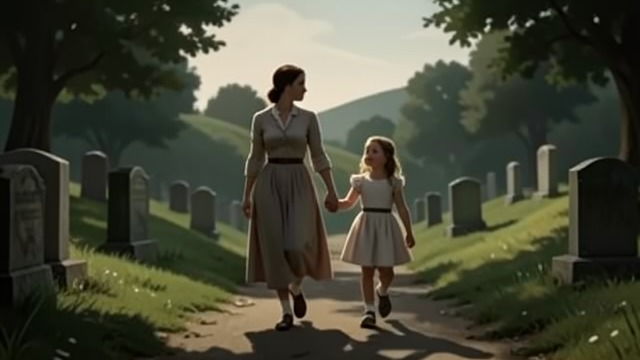
Entering the Burial Ground
A public threshold
Blanca attends the burial at Port Lligat with friends and mourners. The cemetery turns private bereavement into a communal event, but the quiet gathering leaves her feeling isolated inside the crowd.
The first passage
The coffin is placed in its niche, and Blanca descends the hill with Carolina holding her hand. The physical departure from the grave marks the beginning of a life in which her mother is present only through memory.
A Future Grave Imagined
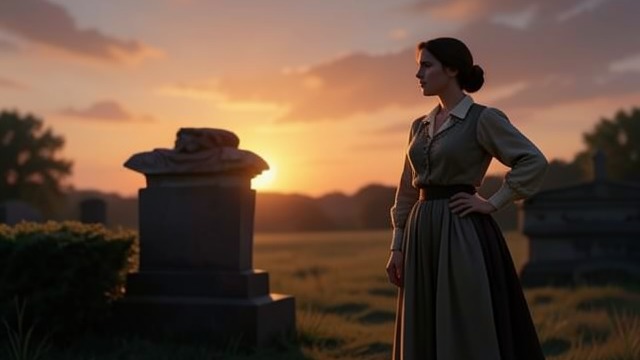
A Future Grave Imagined
Death made local
Blanca imagines buying the niche beside her mother's because it has a view of the sunrise. The thought is not a plan for immediate death but a way to place her own mortality beside the loss already endured.
A strange intimacy
She imagines that they will not need to get up to see the dawn. The joke makes the grave feel familiar while revealing how strongly Blanca still wants to remain near her mother.
Delaying the Visit
Delaying the Visit
The cemetery postponed
Blanca repeatedly intends to visit her mother's grave but chooses other tasks, social encounters, or rest. Each delay has an ordinary explanation, yet the visit gathers emotional weight.
Fear beneath avoidance
She knows she will eventually have to face the grave, but the cemetery makes the finality of death harder to soften with company or distraction. Postponement becomes a conflict between longing and fear.
The Locked Gate
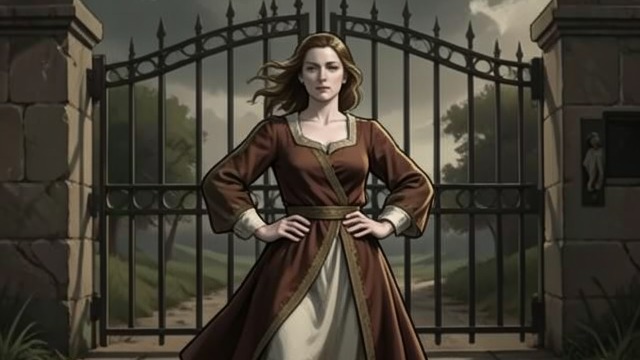
The Locked Gate
A solitary arrival
Blanca reaches the cemetery tired, cold, and trembling after walking through the village and hills. She has imagined that the visit might offer a calm, private encounter with the grave.
Control breaks down
The gate is locked. She pushes, calls, and pounds until her hands hurt, discovering that the place she came to enter will not yield to her need.
Dawn Without Entry
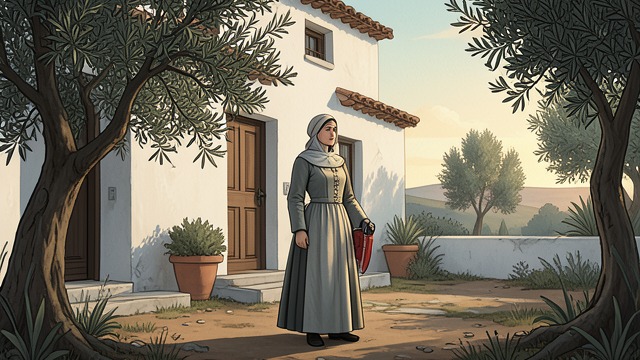
Dawn Without Entry
The landscape answers
Blanca stops trying to force the door and watches the light spread over the olives and white walls. The dawn recalls a familiar beauty that has outlasted her mother's death.
Imagination crosses the wall
She sees her mother walking toward the boat and hears the old phrase that also this will pass. Blanca never enters the cemetery, yet the imagined encounter gives the failed visit a different kind of conclusion.
At the opening funeral
During Blanca's first village walk
Across the first days in Cadaqués
Before dawn near the end of the Cadaqués stay
At sunrise outside the cemetery
